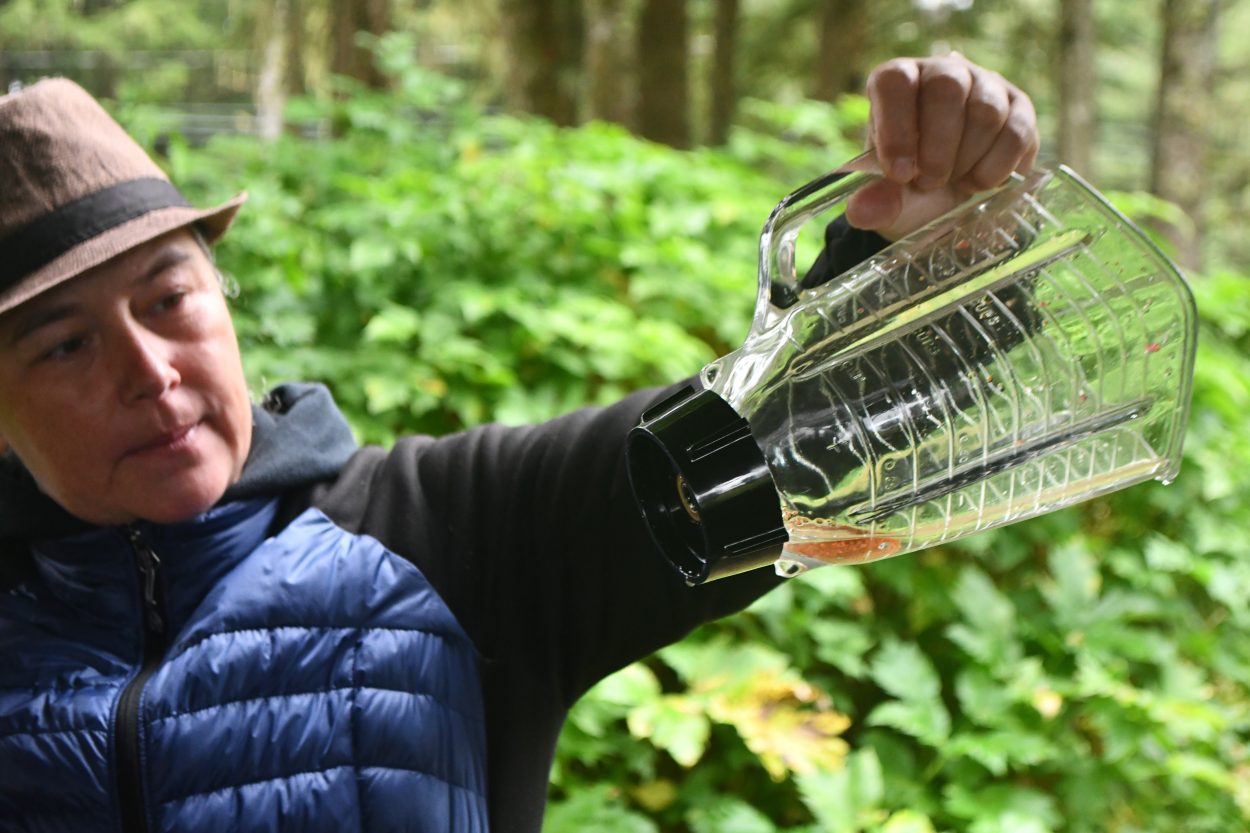
On a cold, cloudy Friday at Petersburg’s Sandy Beach Park, Vivian Yéilk’ Mork poured locally picked red huckleberries and water into a blender. Mork wasn’t making a smoothie, though, she was trying to do the opposite.
“Now, you don’t want to turn it full on when you do it,” Mork explained, gently pulsing the blender as she inspected the pulp inside. “Because you’re just wanting to separate the flesh from the seeds.”
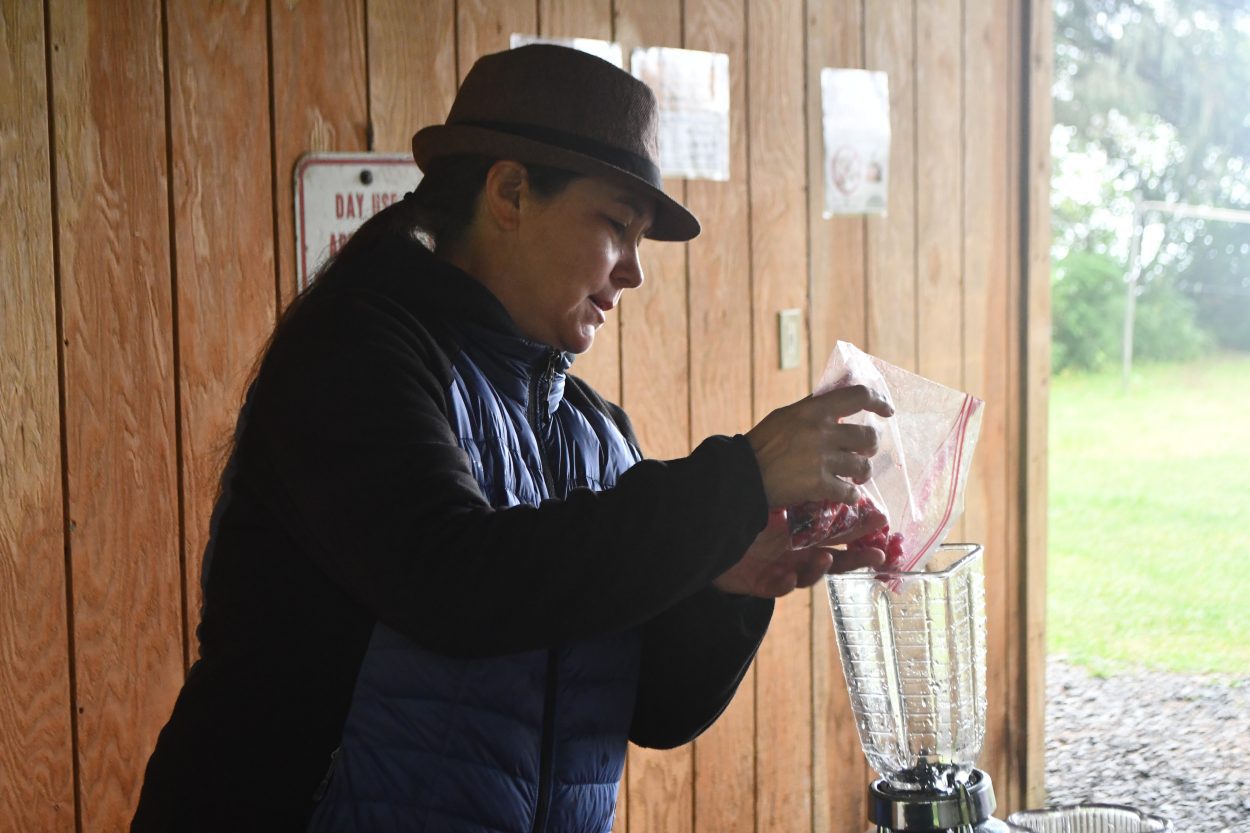
Mork was teaching a class on berry propagation, a way of growing new plants from their berries. Mork is Tlingit, from a large multicultural family, and has been a traditional foods and medicine educator for over 20 years.
Her class was a part of the Petersburg’s Rainforest Festival, a multi-day event celebrating the surrounding rainforest. The festival returned this year after a few years without the annual celebration.
Mork paid close attention to the seeds as they swirled around in the blender.
“The pulp is predominantly going to float, and bad seeds float,” Mork explained. “So, the good seeds are going to sink to the bottom.”
She poured out some of the floating pulp and bad seeds into another cup. She added more water to the blender, repeating that process and slowly diluting the mixture until only good seeds remained. Those are the seeds that can be planted later.
Mork said that using the blender method increases the chance that the seeds will grow.
“This little tip and trick is going to bring you from about 10-20% germination rate to probably 80-90% germination rate,” she said.
Mork said that berries are an important part of Tlingit diets, and that people historically propagated berries around their villages.
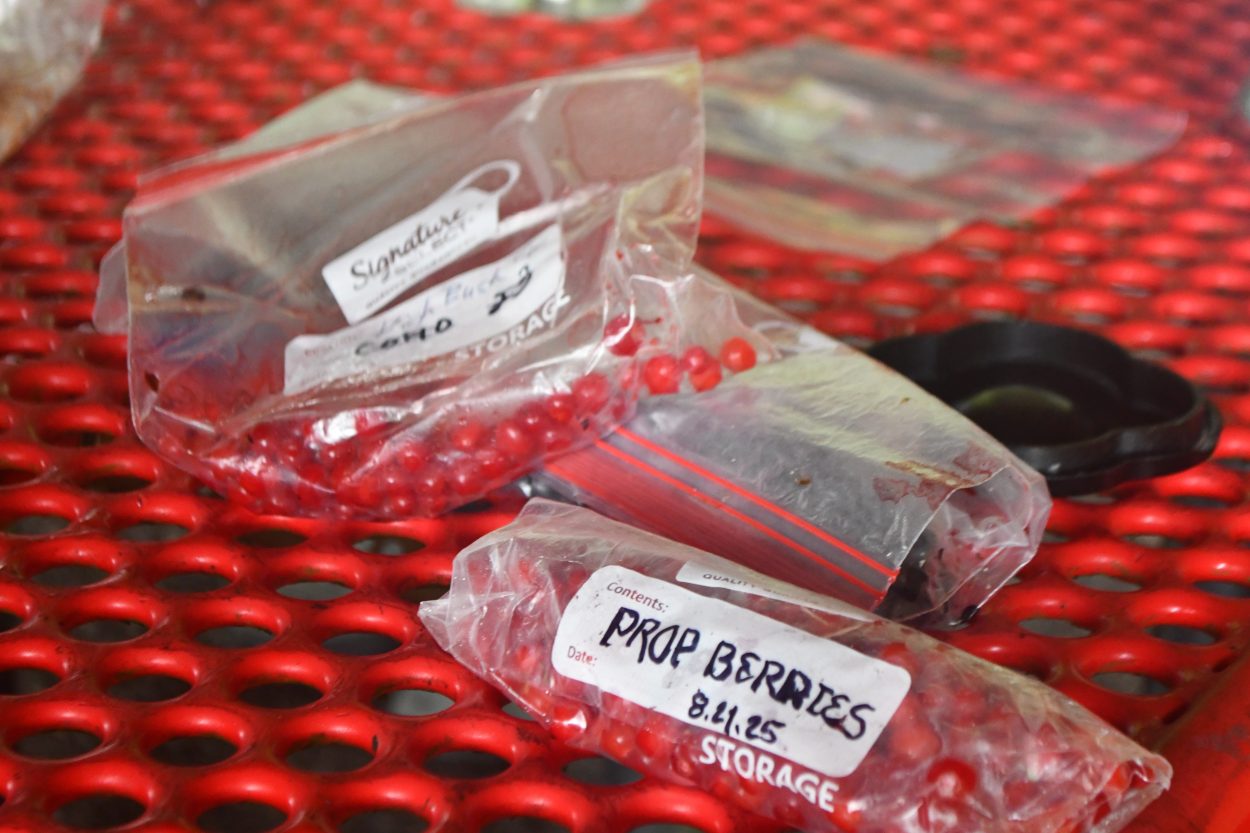
She said that due to the history of colonization in Alaska, foods like moose, deer, and salmon often get a lot of attention because they were useful resources to extract. Berry picking, however, is just as important for a balanced diet.
“You will die without vitamin C. Scurvy exists,” said Mork. “You need those things, and you will find them in plants. You’re going to find them in fruit.”
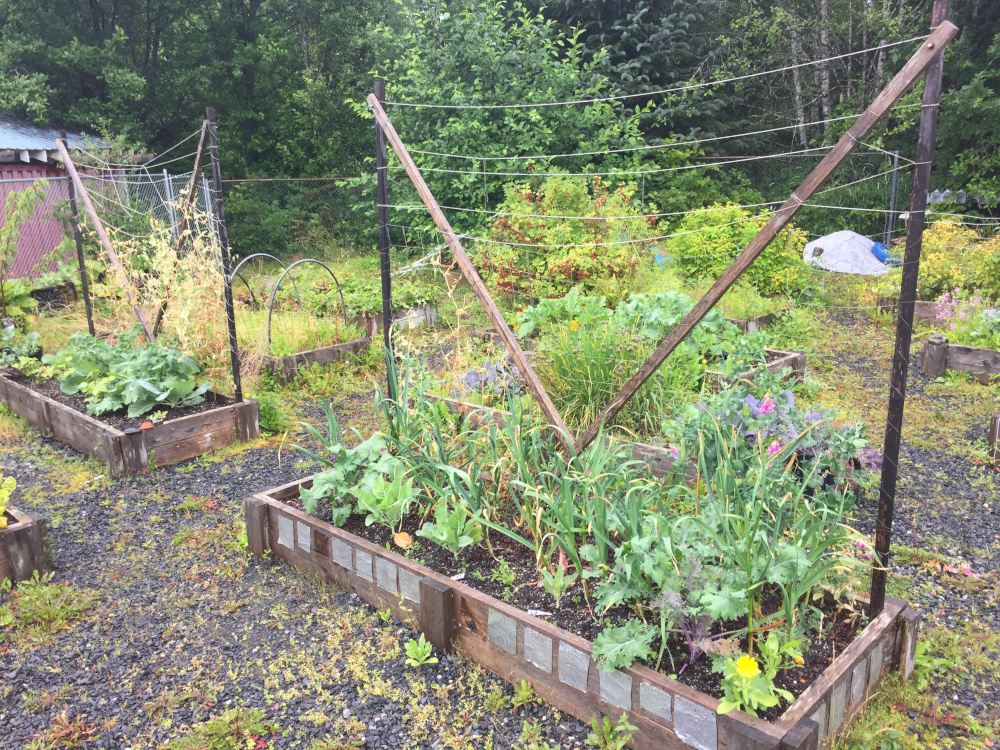
There are a lot of places to propagate berries in a community. Mork said backyards, trails, schools, and elder facilities are great places to start.
“There’s a lot of elders that can’t get out and about. Especially Alaskan elders, they still want to pick berries! And it is harder for them to get out the road, or if they can’t drive anymore,” she said. “Having them right near their facility is a really great thing to do.”
Not to mention, Alaska berries are good for you. Research from the University of Alaska Fairbanks shows that many Alaskan berries have “very high” amounts of antioxidants.
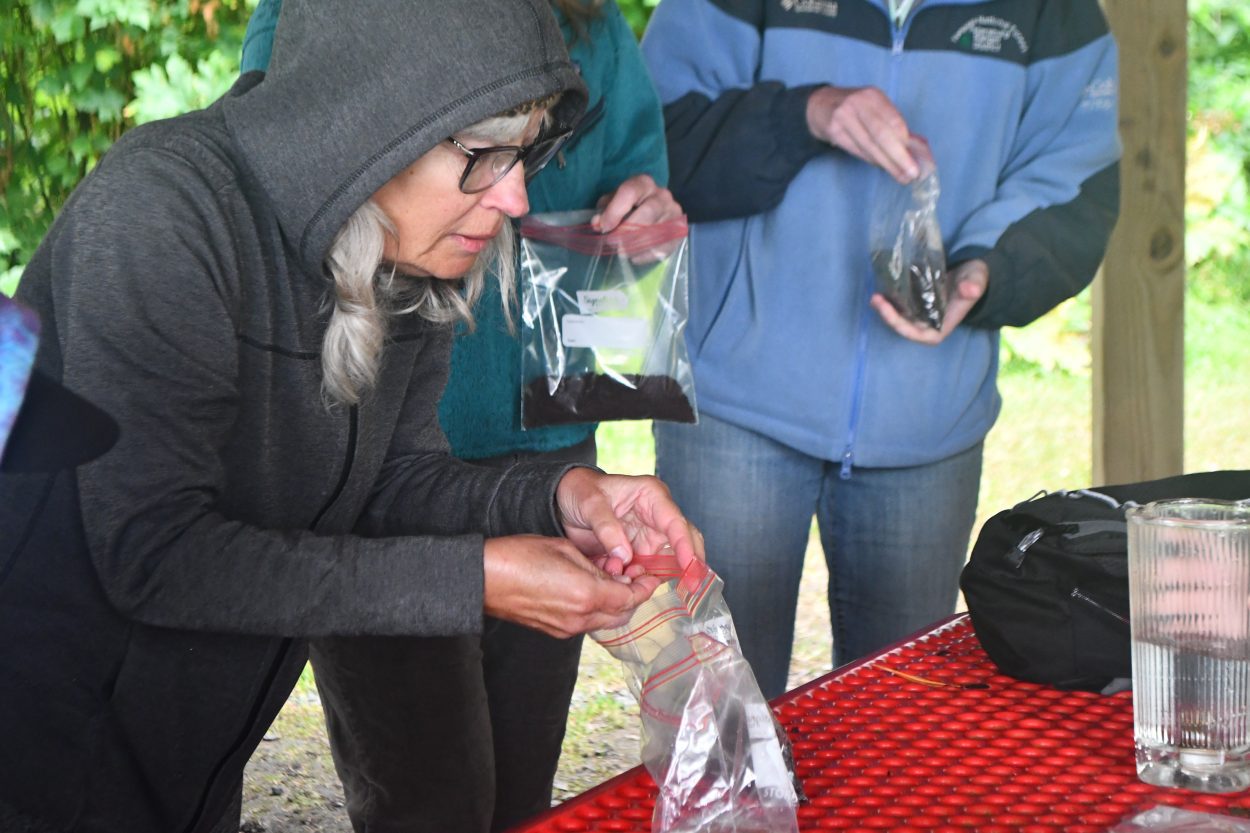
Mork added dirt to a bag, and wetted it enough that it began to clump together. She added the seeds from the blender. Later, she’ll place the seeds in the fridge until it’s time to plant. While that timeline varies from berry to berry, often that means waiting until spring.
Then, if it all goes well, there will be even more berries to pick next fall.