At the historic lighthouse on Five Finger Island, researchers have been recording and studying the sounds of humpback whales in an effort to better understand their behavior.
Humans have learned much about whales over the years by studying the sounds they make while eating or breeding. But a mysterious “thrumming” sound caught the ear of researcher Fred Sharpe and his team.
“It’s kind of like, analogous to the rumbles of African elephants,” Sharpe described.
Sharpe has studied whales in Alaska since the 80s, spending many summers in Southeast. Quietly situated between Stephens Passage and Frederick Sound, the island is a hotspot for humpback whale activity.
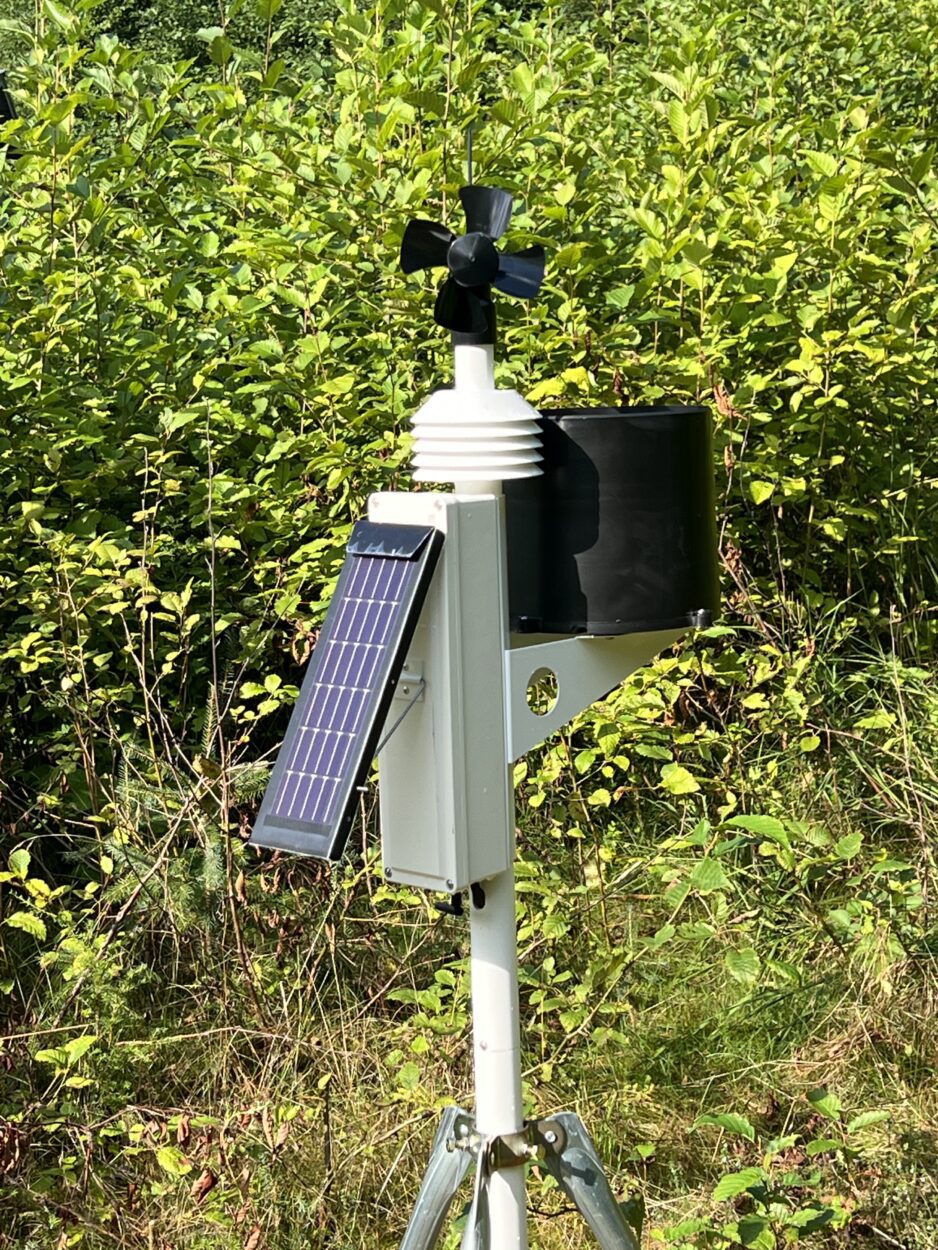
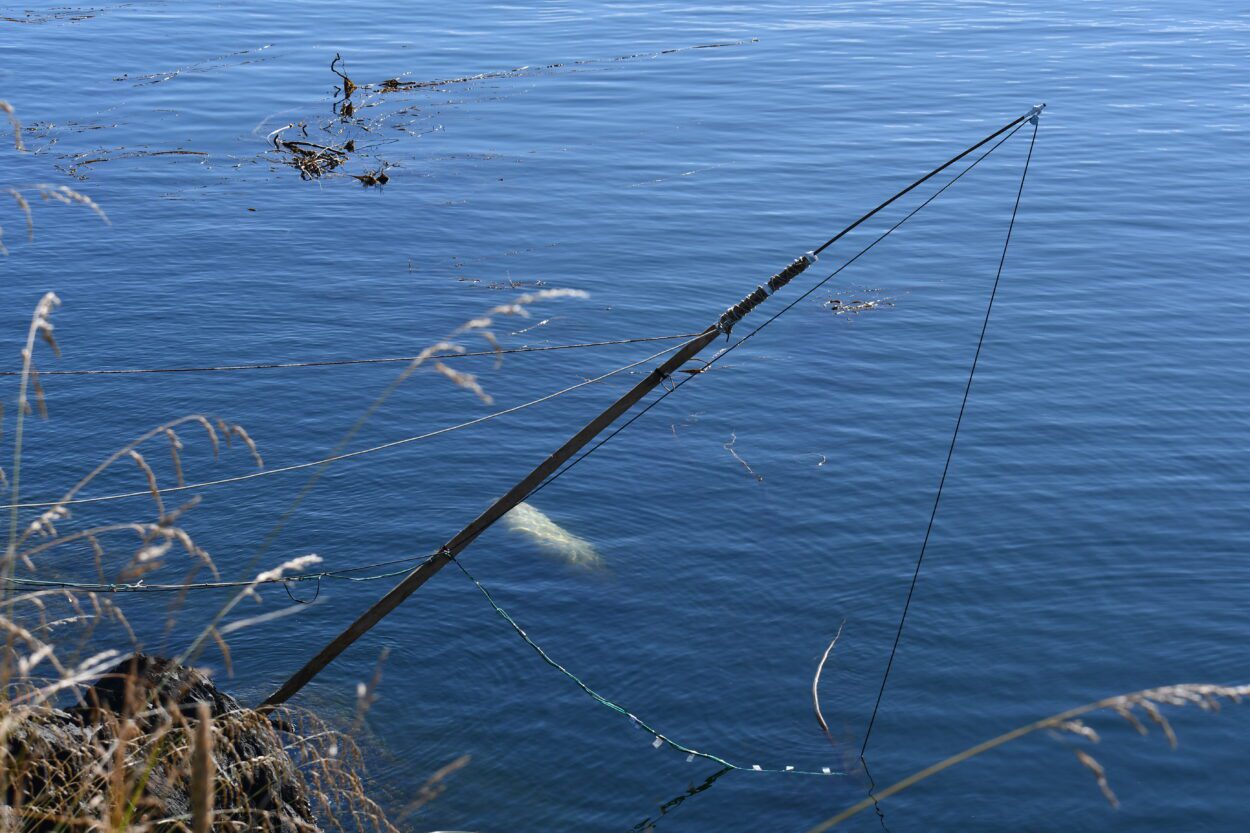
Sharpe and his team set up microphones and hydrophones around the island to record the thrumming sounds, which could be heard both in and out of the water.
While Sharpe had heard the thrumming many times throughout his years of research, he said this sound hasn’t received much attention from the scientific community.
“As far as we can tell, [thrumming has] never been described in the scientific literature,” said Sharpe. “Which is amazing, because it’s one of the most common sounds that you hear out here, especially when there’s plenty of whales around.”
These humpback whale “thrums” are at such a low frequency, they’re at the very limit of what humans can hear.
“We know it’s associated with an exhalation you can actually hear basically at close range,” said Sharpe. “It’s like this really loud guttural raspberry.”

Sharpe said the thrumming sounds usually happen during twilight or the evening, but the researchers don’t know why the whales make this noise.
“We don’t know what the meaning is, if any, of these signals,” said Sharpe. “Presumably there’s tons of meaning, but so far we can’t really say that with any confidence, because we haven’t found any rule structure yet.”
Sharpe’s research, which is sponsored by the Puget Sound Chapter of the American Cetacean Society, is in its second year. Sharpe’s team wrapped up their work at the lighthouse in mid-September, and will analyze the sounds they collected in an effort to better understand the thrum’s purpose.
Sharpe will be giving a whale lecture at the Petersburg Public Library on Thursday, Sept. 25, at 6:30 p.m.

This story has been updated.