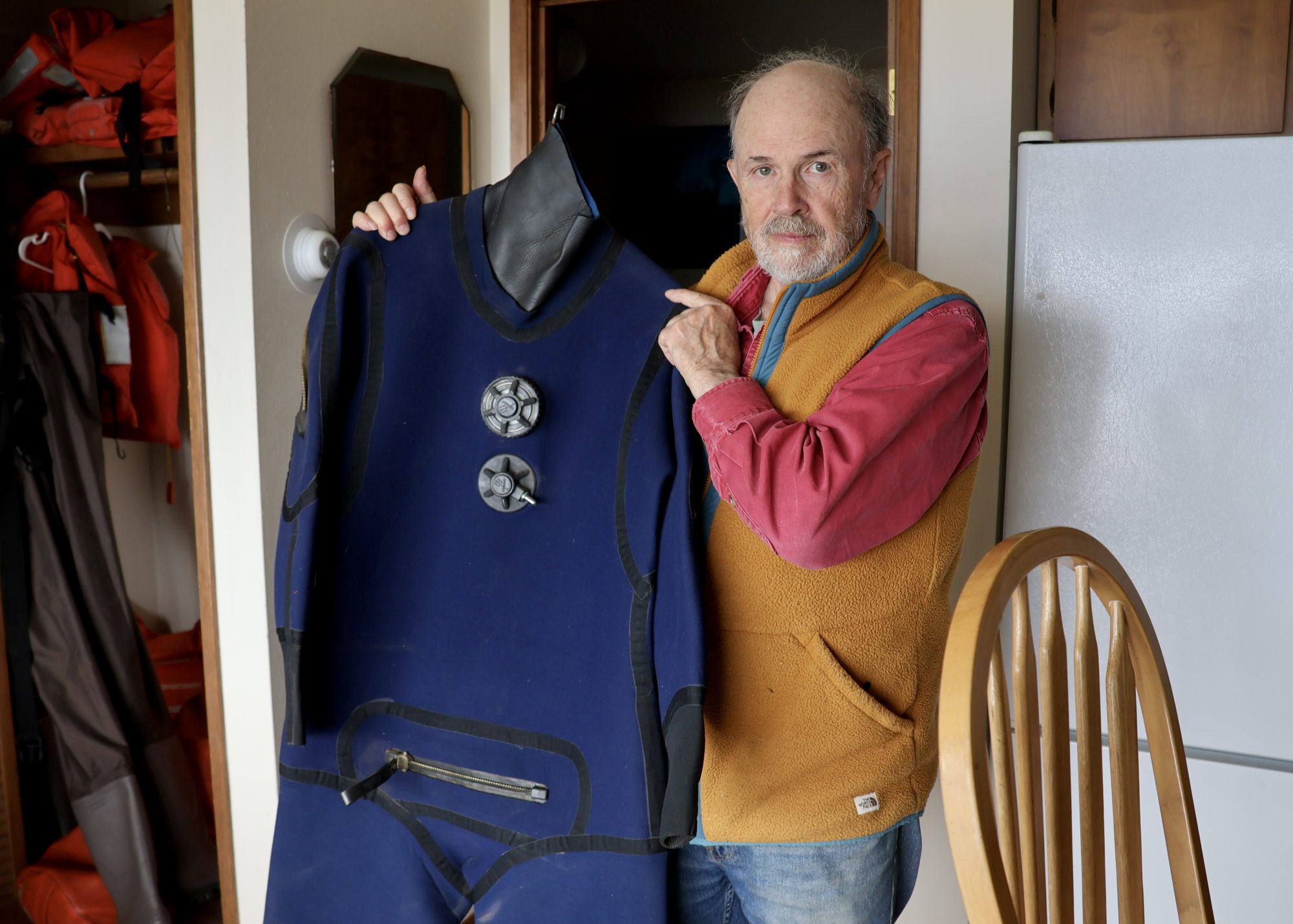
In Scott Hursey’s basement workshop, there is a guitar on a worktable he’s building from scratch, and a view of Frederick Sound.
And in a back closet, there is an old scuba diving suit.
“The only thing exposed is your cheeks and your lips,” he said, “and after a few minutes in the water, they go numb.”
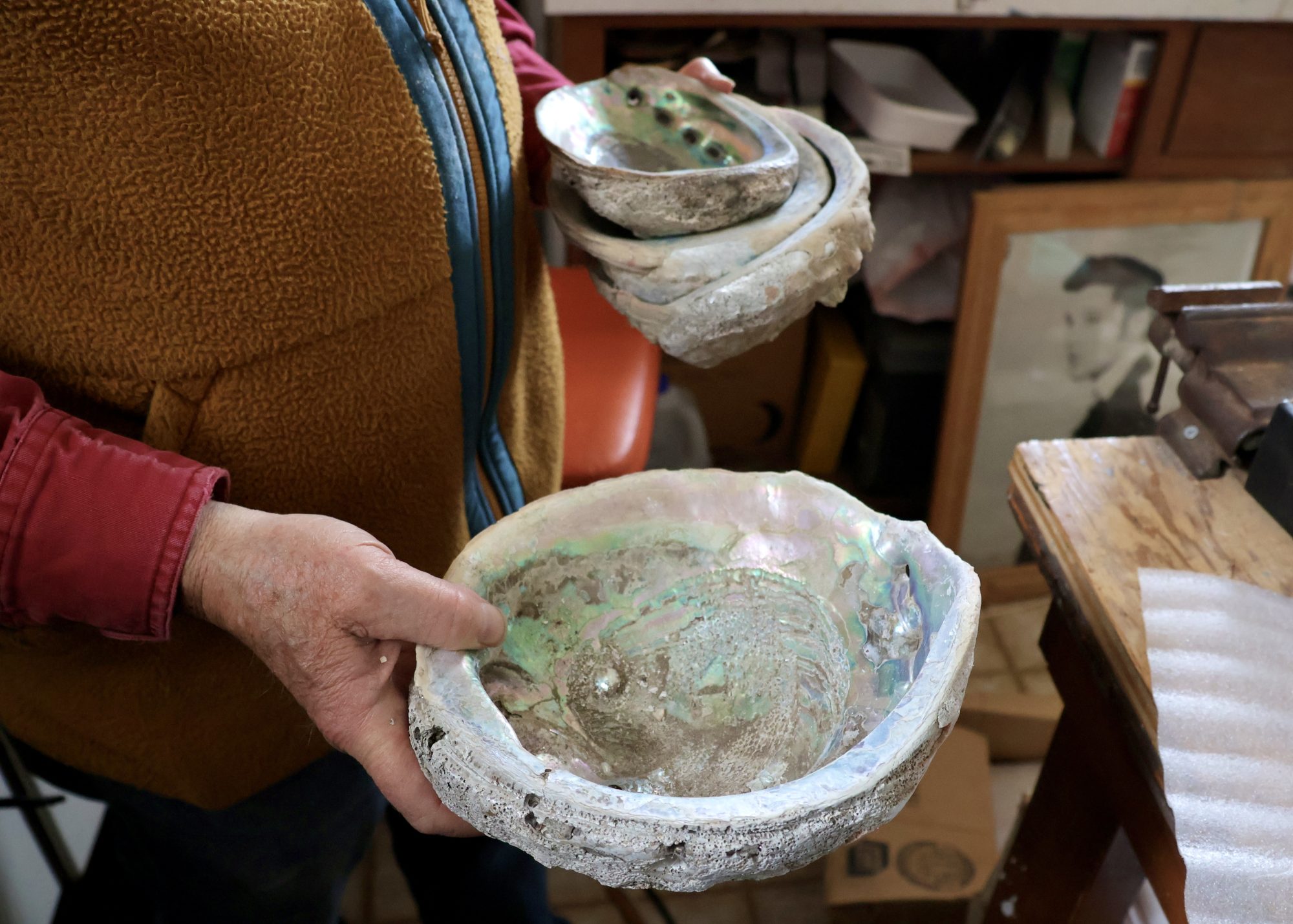
Hursey is a retired dive fisherman. When he first started diving in the late 80s, he caught abalone.
“But that fishery doesn’t exist anymore,” he said. “Because of sea otters.”
Sea otters were reintroduced to the Southeast region in the mid-1960s after they were commercially hunted to near extinction.
And the current sea otter population in Southeast Alaska is skyrocketing. The most recent population survey by the U.S. Fish and Wildlife Service in 2022 estimated around 22,000 otters in the region. The population has more than doubled in 20 years.
Sea otters eat mostly shellfish, like clams and crabs. Otters have already decimated populations of crucial shellfish fisheries in Southeast. The region’s Dungeness crab fishery closed early this summer.
And Hursey saw the impact up close.
“You’d go to a place where it’d been a good productive area,” he said, “and if you saw sea otters around, you’d go down and the bottom looked like it’d just been rototilled. Not an abalone left.”
The abalone fishery in Southeast Alaska closed in 1997. Hursey and longtime diver Mike Bangs co-founded the sea cucumber dive fishery for Petersburg shortly after, but Hursey says it wasn’t the same.
“It still wasn’t the kind of money that you could make abalone diving,” he said.
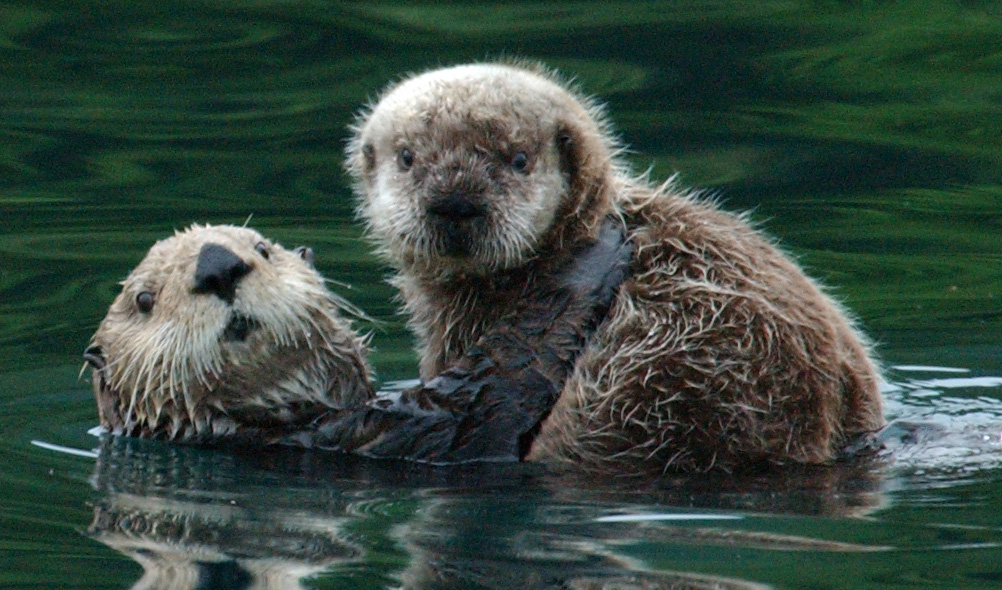
Sea otters are a federally protected species under the Marine Mammal Protection Act, which means options for controlling the population are limited. They can’t be directly harvested except for subsistence hunting.
The U.S. Fish and Wildlife Service is in charge of sea otter management. They declined an interview request, but a spokesperson said in an email that they were aware of dive fishermen’s concerns.
Jeff Meucci is a former dive researcher for the Alaska Department of Fish and Game. He spent 20 years surveying dive fishery animal populations and saw what sea otters did to the ocean floor.
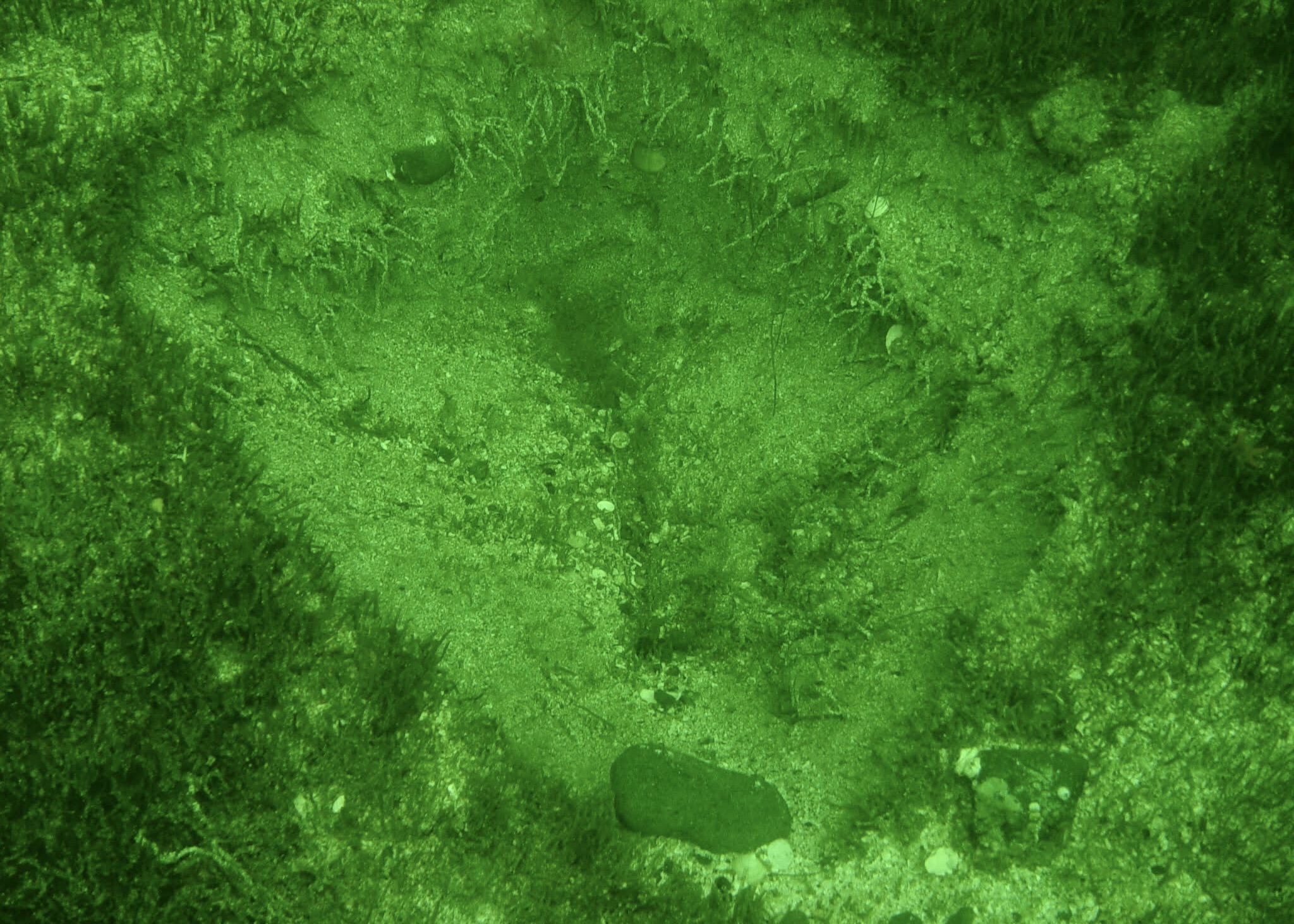
“We definitely came across a lot of areas out by the ocean that had big trenches where otters had come in and dug up the substrate, and they had taken all the geoducks out,” Meucci said.
While dive fisheries are not a huge part of the Southeast economy, they’re an important option for local fishermen. The main dive fisheries in Southeast are sea cucumber and geoduck clams. There are about 200 active dive fishermen in the region, and last season, the fisheries brought in almost $7 million combined.
Meucci said small boat fisheries mean a lot to a town like Petersburg.
“They’re small business owners,” he said. “And a town like Petersburg needs small businesses to help keep things going.”
While sea cucumbers are generally not a major part of sea otters’ diet, their presence still impacts the fishery.
Alec Schramek is an active dive fisherman and a salmon troller based in Petersburg. He said that fishermen need to diversify to be financially sustainable, but dive fishing makes up at least half of his income.
Schramek has been fishing sea cucumbers for 13 years, and said otters are harming sea cucumber habitats that he fishes. One example is an area he’s fished called Snow Pass, south of Petersburg.
“The last rotation that we were there, there was a stark difference in the population of the sea cucumbers,” he said. “ And it’s obvious that the otters have been there because it looks like a bulldozer has been on the bottom.”
Meucci, Schrameck, and Hursey all said they would like to see some sort of management of the sea otter population, but because of otters’ protected status, it makes having that conversation really hard.
Schrameck worries about the future.
“It just seems like, if things continue the way they are,” he said, “inevitably they’re going to expand more and more and just continue to reduce the amount of areas that are fishable.”
The sea cucumber season opens in early October, and runs through the end of March. For now, Schrameck and other divers will be out there, under the waves and combing the ocean floor.
Editor’s Note: Scott Hursey is the spouse of a KFSK employee.
CORRECTION (Sept. 4): The original version of this story incorrectly stated that sea cucumbers aren’t a part of the sea otters diet. Sea otters do eat sea cucumbers, though it’s generally not a primary food source.