When Petersburg fisherman Bob Martin arrived at Neets Bay for the chum salmon opener, he didn’t have a great feeling.
“ I got there in the dark,” he said, “and it looked like a small city with all the lights of all the boats that were staged and ready for the 5:00 a.m. opening.”
Around 30 boats were crowded into the bay for the historic commercial opener. Martin was also worried about the quality of fish he saw along the shoreline.
“They looked pretty far gone, and I wondered if there was gonna be anything for us,” he said.
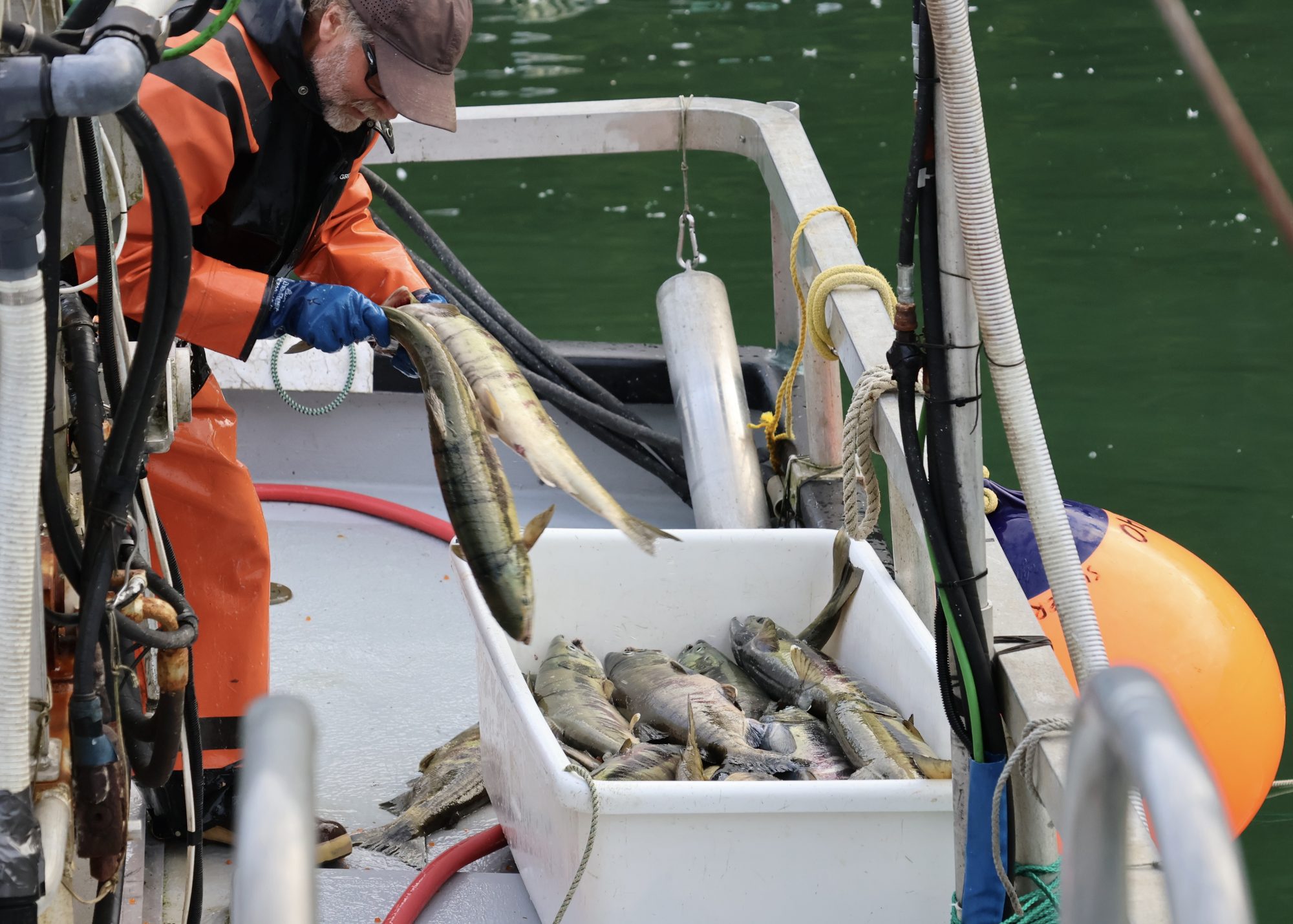
But within minutes of putting out his net, it was filled with fish. Totes, and totes of fish.
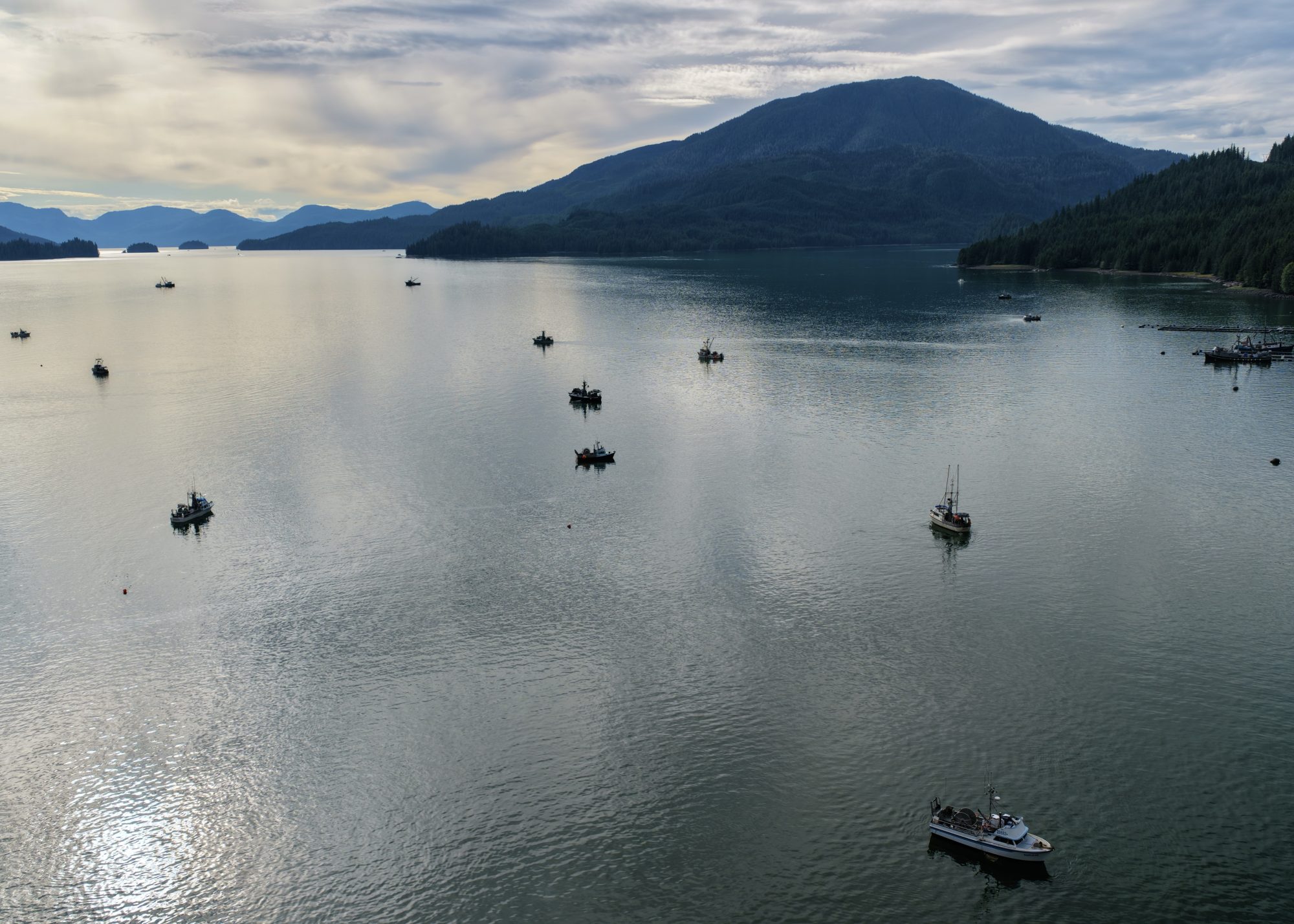
The Neets Bay opener was one of Martin’s best of the summer. The chum salmon he caught were raised and released at the Neets Bay Hatchery. This was the first year the hatchery opened the fishery since 2018 — almost a decade ago.
It was also a good year to fish chum. The average price last year was around $0.60 per pound. This year, it’s around $1.50 per pound. And for fish averaging 8 to 10 pounds, that price goes a long way.
Right now, over 90% of chum salmon caught in Southeast Alaska are hatchery salmon. Based on data from the Alaska Department of Fish and Game, the decade average value of the chum season regionwide, from 2013 to 2023, is nearly $59 million.
The Neets Bay Hatchery is managed by the Southern Southeast Regional Aquaculture Association, or SSRAA. Martin is a board member of the nonprofit organization.
SSRAA owns several hatcheries, where they raise and release chum, coho, and Chinook salmon.
Tessa Frost is the organization’s general manager. She said that they fill their hatcheries with local broodstock to breed their next generation of fish.
“That means that the fish that we release are from nearby streams,” she said, “and that helps maintain genetic diversity because salmon don’t always return exactly where they’re supposed to.”
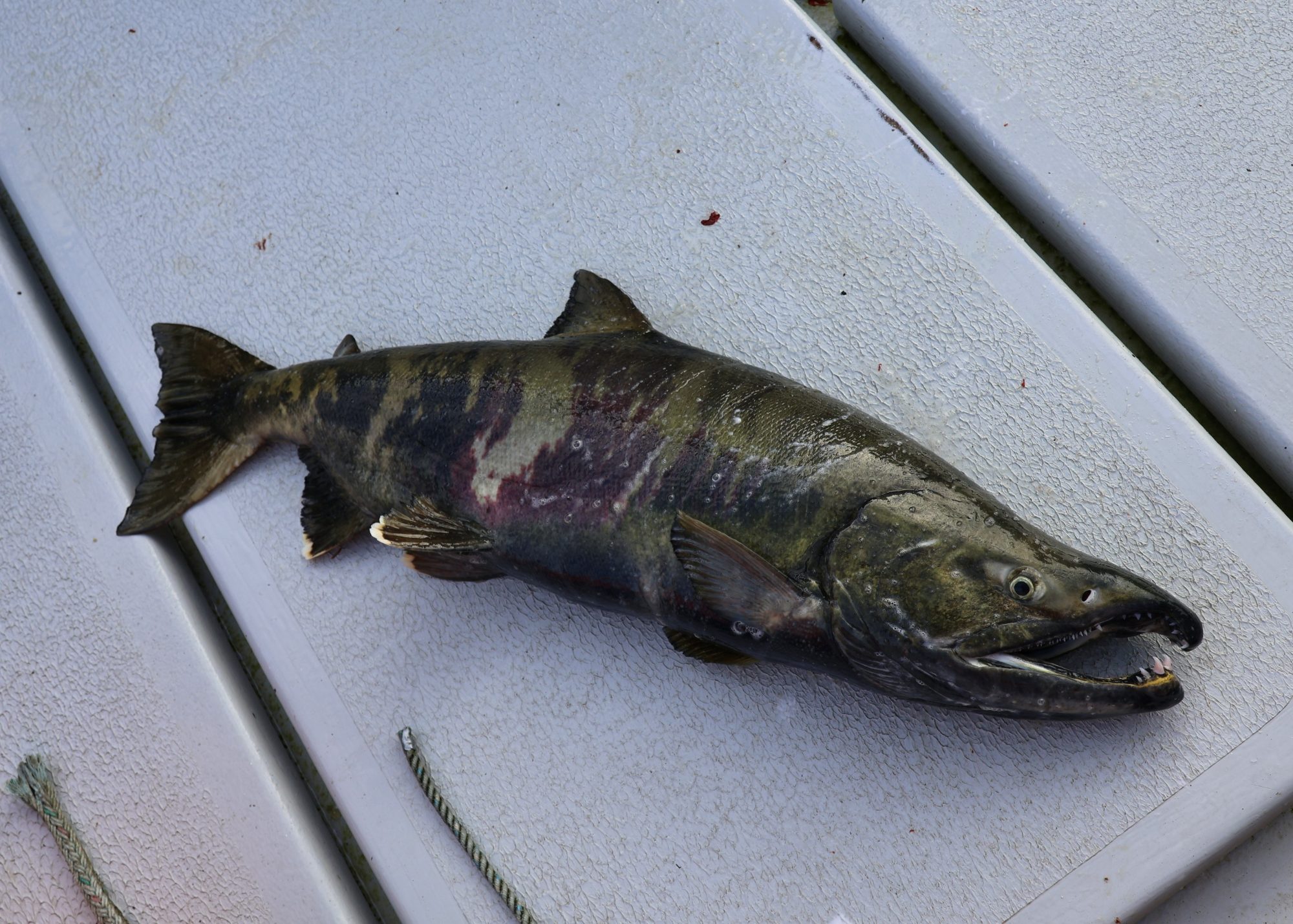
Frost said hatcheries help to supplement wild salmon runs by eliminating risks salmon face when they’re young.
“For example, there might be a drought period during the time that the fish are spawning, and so not a lot of those eggs survive,” she said. “So by controlling that in the hatchery and putting those eggs in incubation trays, we’re already giving these fish a head start.”
Because wild salmon populations can be unpredictable, Frost says hatcheries can give fishermen stability.
“By coming back to our terminal site where we know how many fish we released and we put out a forecast of how many fish we expected to return, that is creating that stability,” she said.
The last post-season opening at Neets Bay was almost 10 years ago. The hatchery saw poor returns in the past few years, and low costs for chum salmon. SSRAA is partially funded by the fishermen: 3% of their earnings from all salmon species caught come back to the association.
“We have to supplement that with money that we make through cost recovery,” Frost said, “which is simply catching and selling our own fish.”
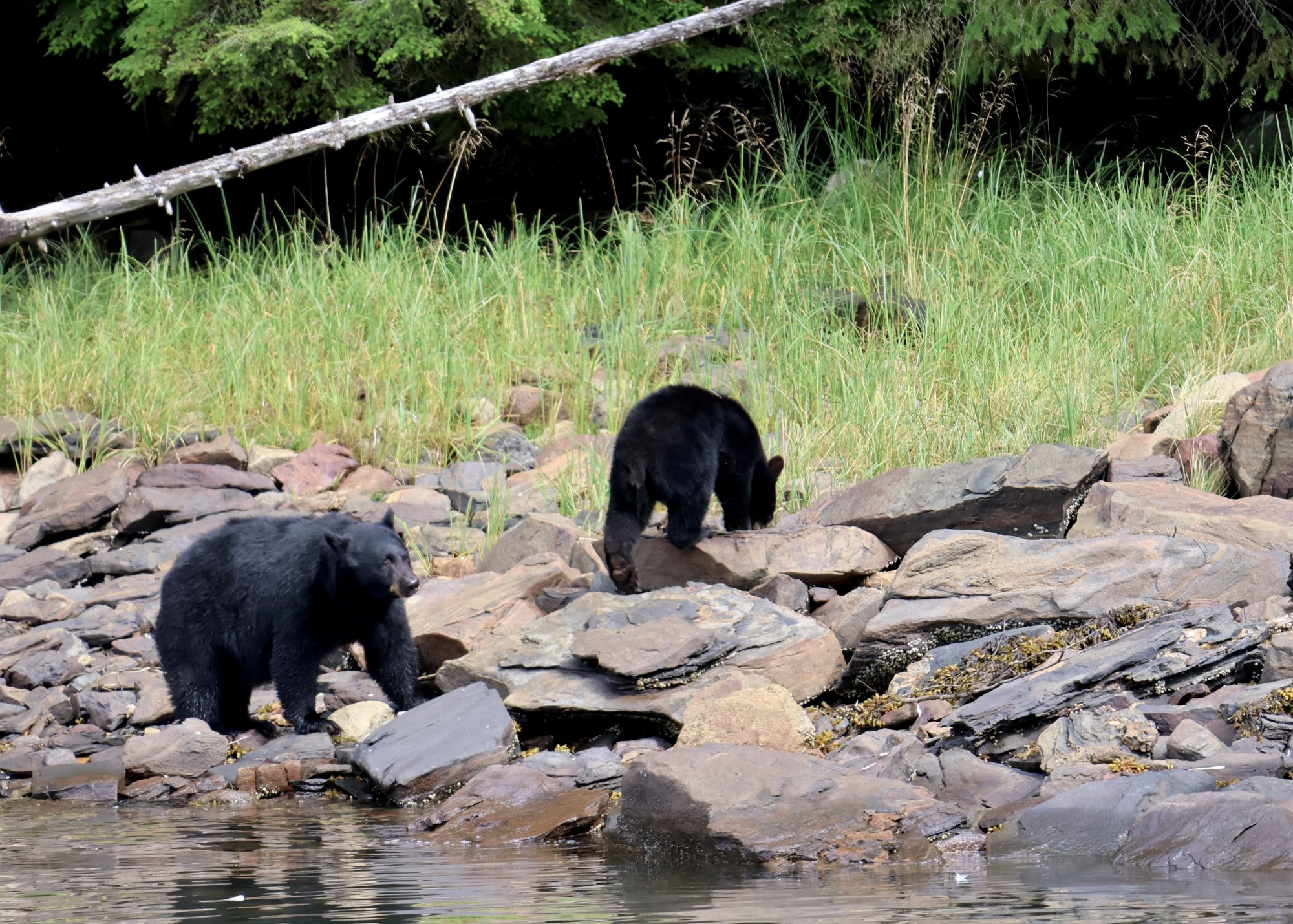
Because the hatchery saw greater returns this year, and fish prices were high, SSRAA was able to open fishing to seiners, gillnetters, and trollers.
There are some concerns with hatcheries. Some are worried that hatcheries release too many fish for the ocean to sustain. Some studies from hatcheries in the Pacific Northwest have shown that when hatchery fish interbreed with wild salmon, it may negatively affect wild populations.
Because of this, SSRAA has signed a moratorium with the commissioner of Fish and Game, saying they will not increase their chum salmon release for the next 10 years.
Frost said the organization is trying to address these concerns as best they can.
“We don’t wanna have a negative impact, and if we were, we’d absolutely be doing everything we can to mitigate those effects,” she said. “Because if the environment doesn’t work anymore, then we can’t do our job either.”
But it means she doesn’t know what the long-term future holds for the hatchery industry.
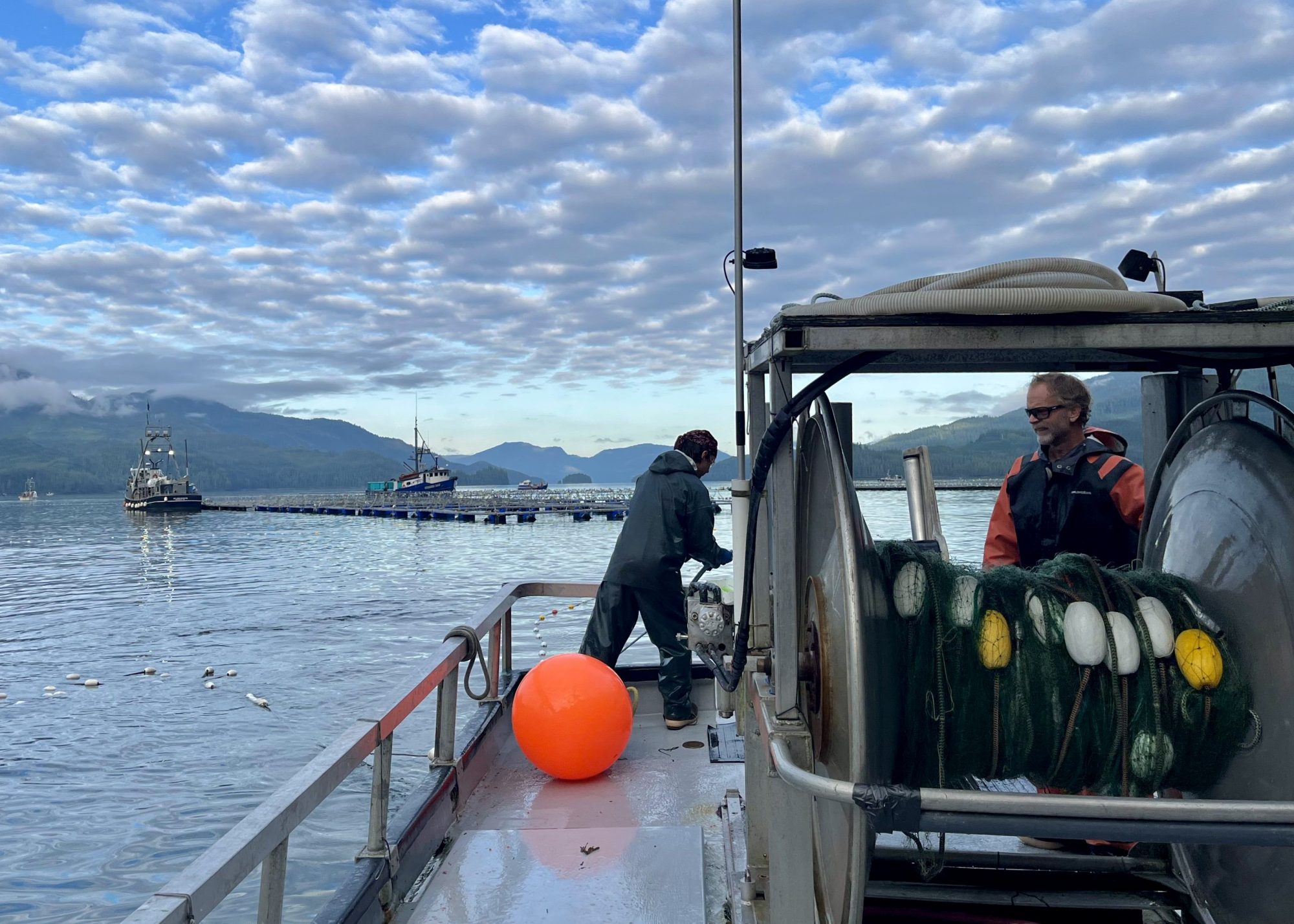
For Bob Martin, the future is also uncertain.
“ Overall, this one good day isn’t a huge percentage of my season,” he said. “So this was sort of a nice bonus, but not something I’m counting on to happen again.”
At the opener, Martin already had enough fish to unload to a tender by late morning — over 5,500 pounds.
Despite the uncertainty, he said the Neets Bay opening was one of the highlights of the summer.