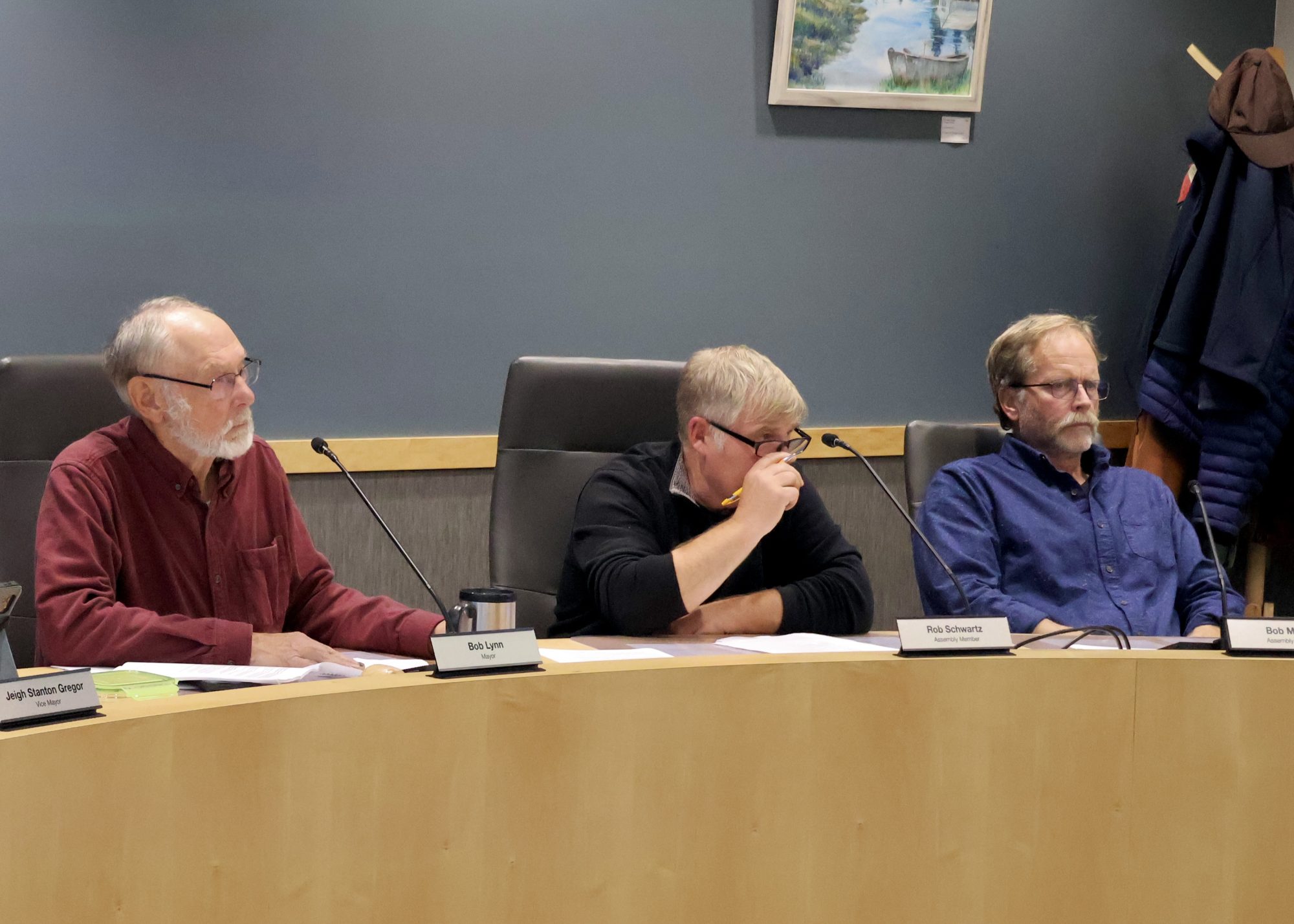
The Petersburg Borough Assembly on Sept. 21 considered pursuing a temporary moratorium regarding data centers. But the vote ended in a stalemate.
Petersburg’s laws currently lack language about data centers. The local Planning Commission asked the Borough Assembly for a year-long freeze on issuing applications or permits for data centers while officials develop local standards for the facilities.
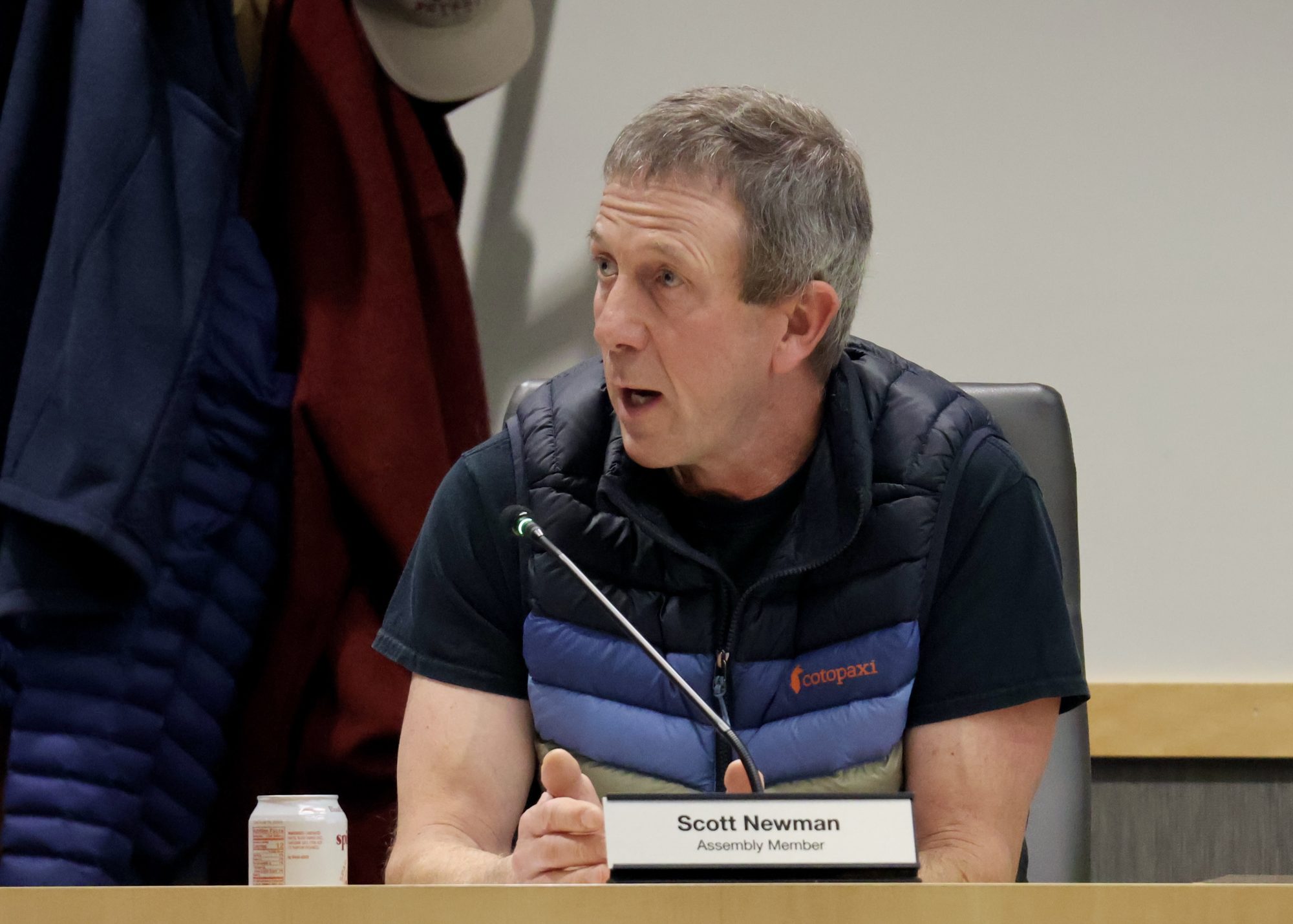
Assembly Member Scott Newman supported a moratorium because he wanted protections and local control.
“I think we need to really, really, really consider it,” Newman said.
The municipal utility department is drafting an ordinance for regulating large power users, such as data centers.
Assembly Member Jeff Meucci said, although a moratorium might not be the “best thing to do,” it would dedicate time to get groundwork done.
“This is a perfect example of being proactive and looking at an industry that is interested in doing some work here in Petersburg,” Meucci said.
Members Meucci and Newman said the moratorium could help the Borough get in front of the eight-ball for regulating future facilities.
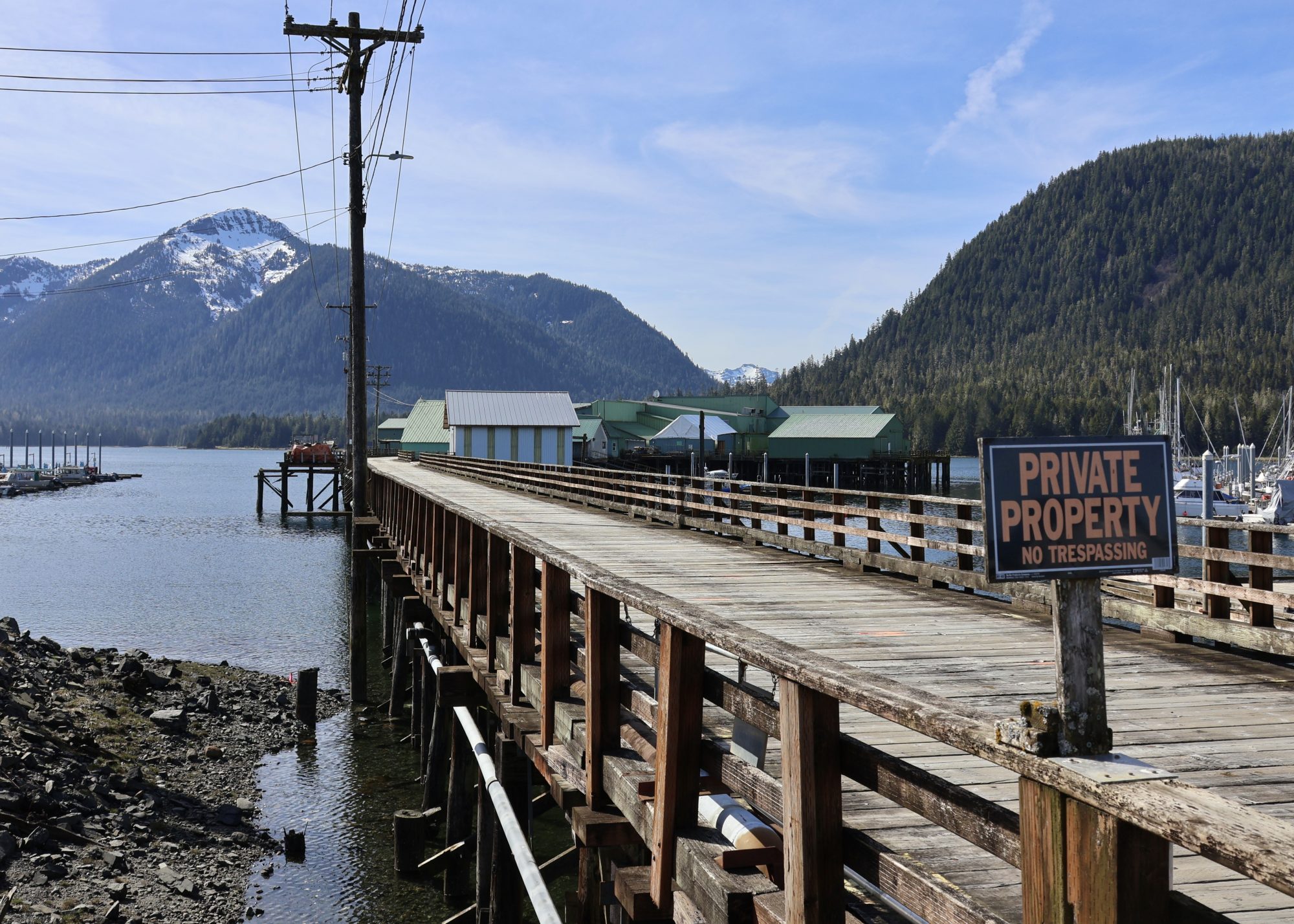
A local developer earlier this year announced it plans to build a small-scale private data center on its property near the downtown harbor. Mazzella Alaska LLC owns the defunct Ocean Beauty Seafoods plant buildings and pier, and seeks to use the site’s existing industrial-sized power feed.
Its private business deal with a Silicon Valley-based data center vendor, Greensparc, did not finalize. Although it has not announced another project partner, Mazzella Alaska confirmed it is still pursuing a small-scale data center aligned with the initially announced plan.
The company is pursuing work on the property, too. The U.S. Army Corps of Engineers is taking public comment until Oct. 23 on permitting Mazzella to replace the first 110 feet of dock with rock. The public notice stated the work will enable parking space and make a “long-lasting rock approach” to the facility.
Company President Tara Favilla testified before the Assembly weighed the moratorium.
“This project has always been about putting an underutilized industrial property back into productive use,” Favilla said, “and generating long-term benefits for the community.”
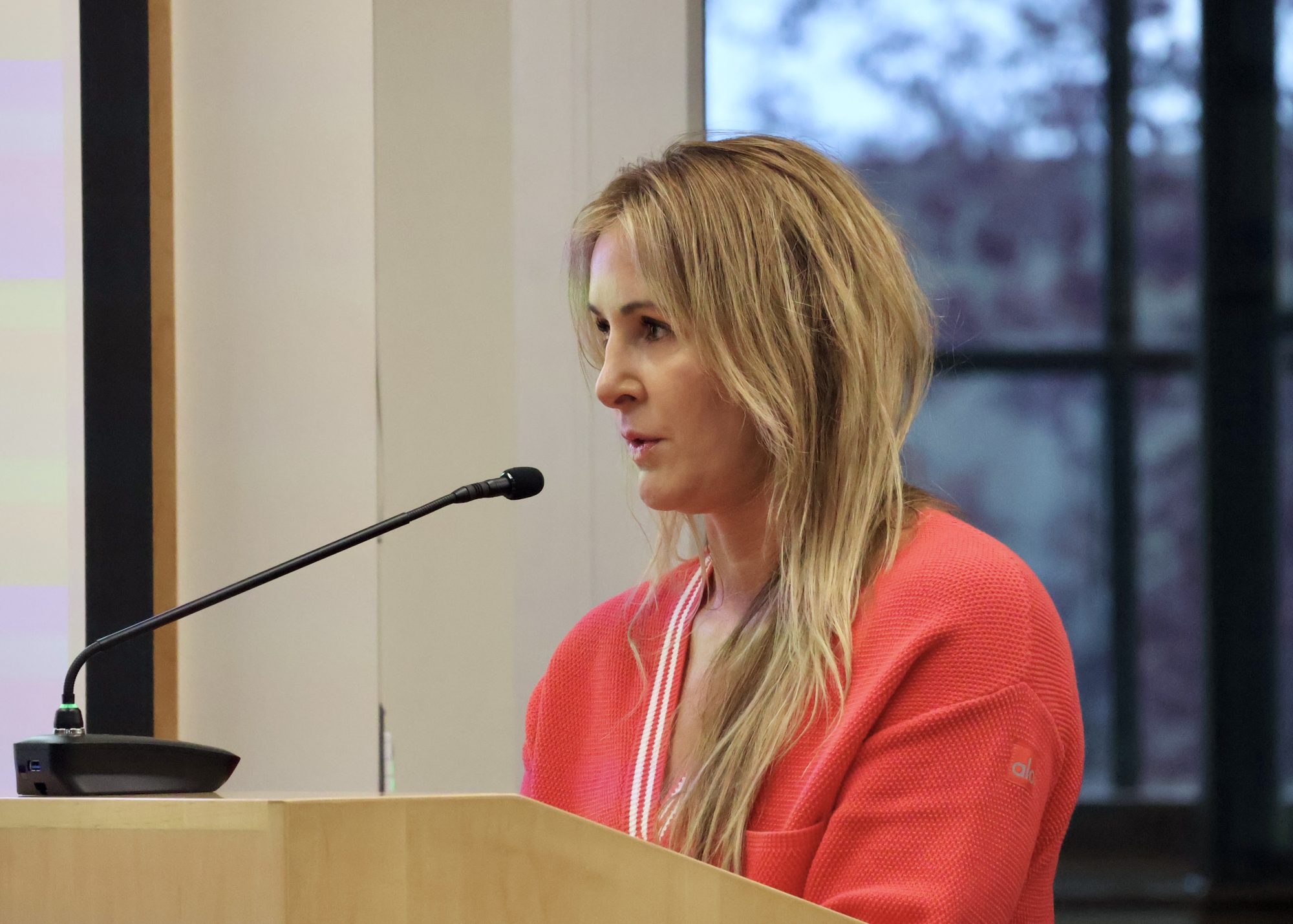
She said Mazzella Alaska is paying for a comprehensive study of the electrical system to assess its capacity and what development is “realistically possible.”
“We welcome questions. We welcome public scrutiny. What we are asking for is a decision-making process grounded in facts rather than assumptions, and a fair opportunity to complete the work necessary to answer the community’s questions,” Favilla said. “The power study will provide those answers, and we are paying for it ourselves because we believe the facts will speak for themselves.”
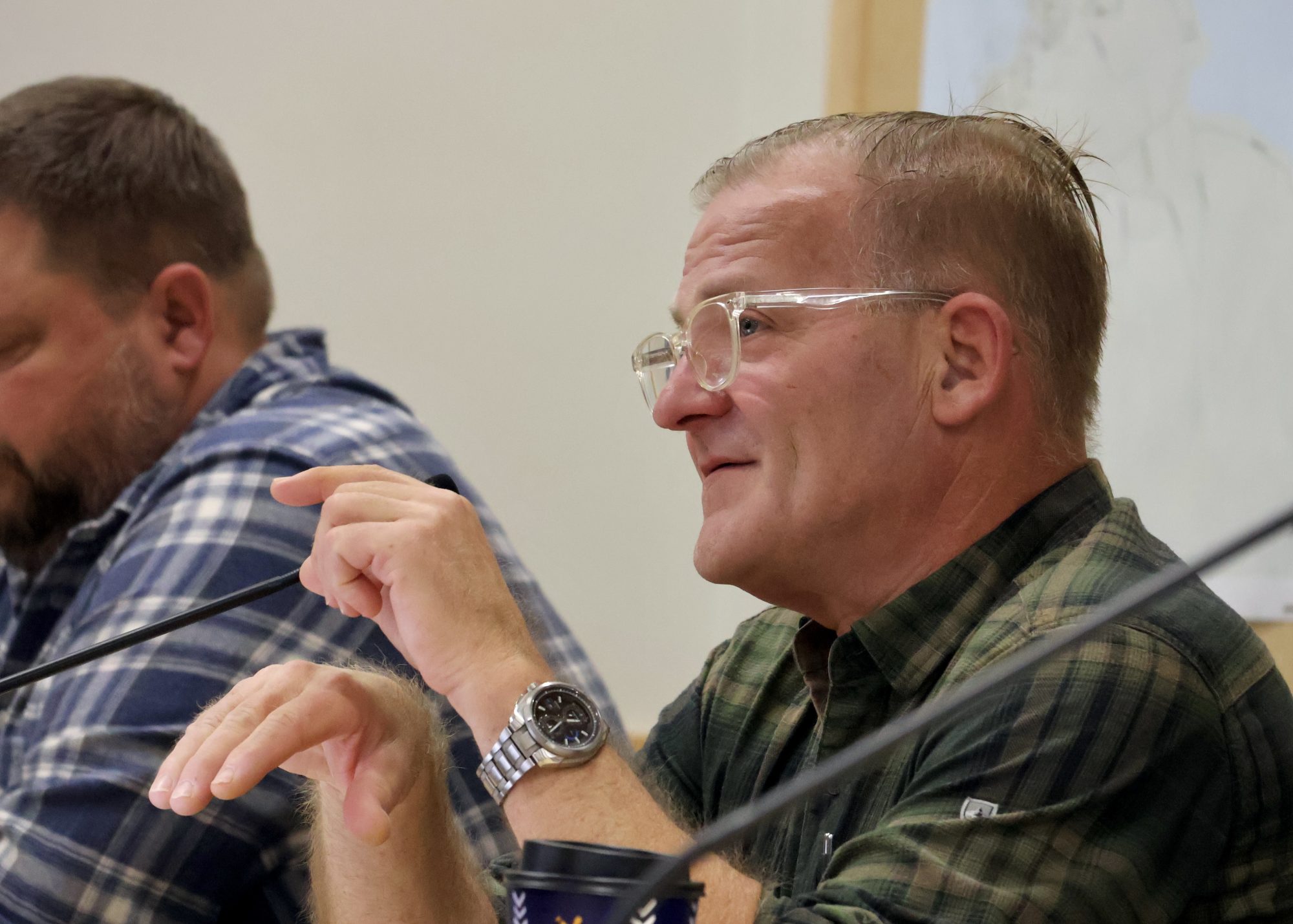
Outgoing Assembly Member Rob Schwartz noted that some residents are skeptical.
“One guy said, ‘Well, it seems like they’re polishing a turd and putting a big ribbon on top, trying to sell this data center.’ And I was like, ‘Well, I don’t really know what the actual truth is,’” Schwartz said. “But I’m all for the moratorium. Pause it a little bit.”
The Borough Utility has enthusiastically endorsed the project. Utility Director Steve Harbour said selling that much power to one customer could significantly blunt how much electric rates will increase in Petersburg.
“I listen to everybody every day say that they’re squeezed at the gas station and everywhere else,” Harbour said. “This would be one area where we can take some of that pressure off.”
Harbour said having a power sale agreement or interruptible rate for it protects the community. He also told the Petersburg Pilot newspaper that the large-scale electric user ordinance he’s been working on for months is nearly done.
He clarified for the Assembly that, currently, if a larger data center approaches the Borough asking for too much power, it would be denied.
Mayor Bob Lynn called power a “limiting factor,” and also said larger data centers wouldn’t be sustained in town. He’s a voting board member for Southeast Alaska Power Agency, a regional hydropower provider that Petersburg buys part of its power from. He said more power is slated to come online soon and will need to be used.
Lynn said he trusts the guardrails already in place, and doesn’t want to limit local business opportunities.
“I think it’s wrong to look at a moratorium,” Lynn said. “I think that we have enough processes that we can allow these things to go forward right now without a moratorium, and so I can’t support a moratorium.”
The Planning Commission recommended the moratorium because without specific standards set in code, they make decisions case-by-case, which they say could lead to inconsistencies.
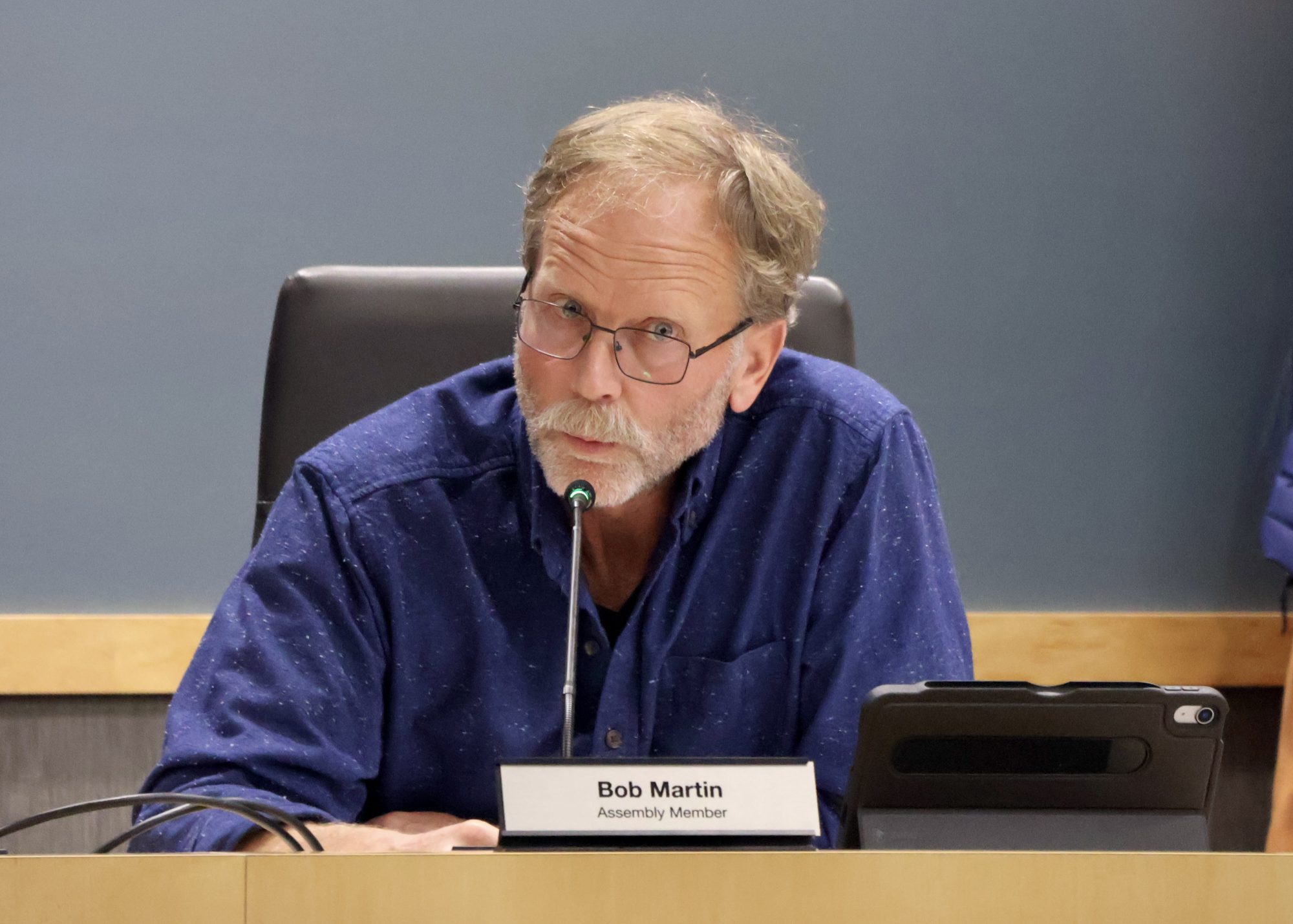
Assembly Member Bob Martin said, although he still had questions, he thinks the Borough can “handle this as it comes.”
“We’re not being overwhelmed with applications for data centers,” Martin said.
Vice Mayor Jeigh Stanton Gregor said he’s confident having Harbour and the power department vet projects for now and didn’t think a year-long freeze was necessary to keep the lights on in town.
“I want Petersburg to be protected, and our grid to be protected, and our utilities to be protected. And I think right now those safeguards are already in place,” Stanton Gregor said.
He said that, while he understood the Planning Commission’s reasoning for requesting the moratorium, it “feels like a solution in search of a problem.”
Petersburg’s Assembly ultimately did not initiate the process for a data center moratorium, landing in a tie 3–3 vote after discussing it for 30 minutes.
Editor’s Note (Sept. 30): To improve clarity, three words have been updated in the caption of the May 2026 photo of the pier, adding “but now” and changing “plans” to past tense.